When a Filling Is No Longer Enough: Understanding the Next Step for a Damaged Tooth
A filling can do a great job when a tooth has a cavity or a small area of damage. But what happens when the lost tooth structure is too large for a regular filling? This is where we may look at a restoration that offers more coverage while still preserving as much natural tooth structure as possible.
At Distinctive Dental Service, we look at the condition of the tooth before recommending a restoration. Dental Onlays in Westport can be an option when a tooth needs more support than a filling can provide but a full crown may not be necessary. The goal is not simply to repair the visible problem. Also we want to choose an approach that fits the tooth, its function and your overall dental needs.
When a Filling Has Reached Its Limits
Fillings are commonly used to restore teeth affected by cavities or lost tooth structure. However, there are situations where the damaged or missing portion of a tooth is too large for a simple filling. Trying to restore a larger area with a conventional filling may not provide the type of restoration the tooth needs.
This is where Dental Onlays in Westport may enter the conversation. We can assess the tooth and explain whether an inlay or onlay is a suitable option.
The important point is that treatment depends on the individual tooth. We do not recommend an onlay simply because a filling has failed. We consider how much tooth structure has been lost and what type of restoration can appropriately repair it.
A Restoration That Covers More Without Covering Everything
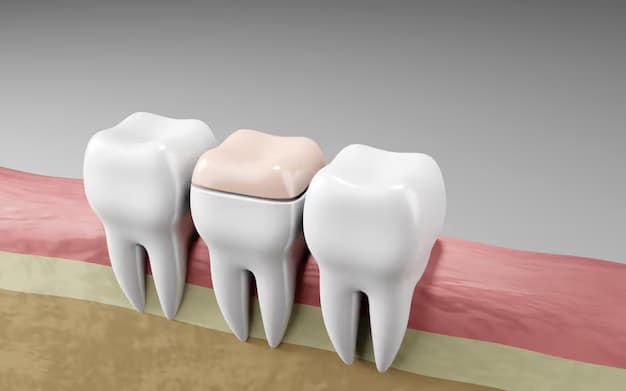
One reason patients may hear about Dental Onlays in Westport is that onlays sit somewhere between a conventional filling and a crown in terms of how the tooth is restored.
Inlays and onlays are lab-made restorations. After the tooth is prepared, the restoration is cemented or bonded to the tooth. The website explains that onlays can replace many fillings in back teeth while remaining more conservative than crowns.
That distinction matters. A crown covers the tooth more extensively, while an onlay can restore a damaged area without requiring full coverage.
Depending on the case, these restorations may be made from:
- Gold
- Porcelain
- Composite resin
Porcelain and composite options can also provide a cosmetic alternative to conventional fillings.
Why the Material and Fit Matter
When we discuss Dental Onlays in Westport, we are not talking about simply placing another filling into a tooth. An onlay is custom-made, and its fit is an important part of the restoration.
We note that the process of making an inlay or onlay is similar to the process used for a crown. Once the tooth has been prepared, the restoration is bonded or cemented into place.
Material can also influence the appearance of the finished restoration. Gold is an available option, although its appearance can make it less popular. Porcelain and composite resin can offer a more tooth-coloured appearance.
Our role is to explain the available options for your particular tooth rather than assuming that one material works for everyone.
Onlay or Crown? The Difference Is in the Amount of Tooth Being Restored
It is easy to assume that a badly damaged tooth automatically needs a crown. That is not always the case. The condition of the tooth helps determine what type of restoration makes sense.
Dental Onlays in Westport can sometimes provide an alternative when the tooth needs more than a filling but does not require the full coverage of a crown. The practice describes inlays and onlays as more conservative than crowns.
That does not mean an onlay is appropriate for every damaged tooth. We first need to examine the tooth and understand the extent of the damage.
A consultation helps us answer practical questions such as:
- How much natural tooth structure remains?
- Is the damage suitable for an inlay or onlay?
- Would a crown cover the tooth better?
- Which restoration is right for the tooth?
This assessment helps keep treatment focused on the actual condition of the tooth.
Looking Beyond the Immediate Repair
Choosing Dental Onlays in Westport is not only about dealing with today's damaged tooth. Longevity also matters when comparing restorative options. The practice notes that while the cost of an inlay or onlay can be comparable to a crown because of the laboratory process involved, their longevity can make them a cost-effective alternative to traditional fillings over time.
That does not mean an onlay will always be the right financial or clinical choice. Every tooth is different, and we believe patients should understand why a particular restoration has been recommended.
At Distinctive Dental Service, we take time to explain treatment and answer questions. Our approach is centred on patient well-being, clear communication and maintaining oral health over time.
When Should You Ask About an Onlay?
If you have a tooth with significant decay or lost tooth structure, it is reasonable to ask whether Dental Onlays in Westport could be appropriate. An onlay may be considered when a simple filling is no longer enough, while the remaining tooth structure means a crown may not be necessary.
We can examine the tooth and explain the available restorative choices in straightforward terms. You do not need to decide between a filling, onlay or crown before your appointment. That decision should follow an assessment of the tooth.
We want patients to understand what we are recommending and why. A restoration should make sense for the tooth in front of us, not simply follow a one-treatment-fits-all approach.
Conclusion
A damaged tooth does not always have to mean choosing between another filling and a full crown. Dental Onlays in Westport can provide another restorative option when a tooth has more damage than a filling can comfortably address but may not need full crown coverage. At Distinctive Dental Service, we look at the tooth carefully, explain the available choices and help you understand what each option means. If you have an old filling, significant tooth damage or a restoration that no longer feels right, we encourage you to have it evaluated. The sooner we understand the condition of the tooth, the sooner we can discuss an appropriate way to restore it.