When Should a Dentist Check a Loose or Damaged Dental Inlay
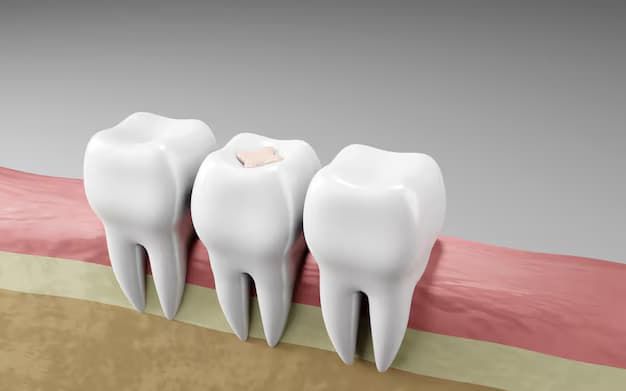
A dental inlay can feel like a permanent part of your tooth, so it can be unsettling when it suddenly feels loose, rough, or different.
Sometimes the change is minor. Other times, it can point to an issue with the restoration or the tooth underneath it. If you've noticed something unusual, don't try to judge the problem by how much it hurts. A dental examination can show what actually changed and what needs to happen next.
At Distinctive Dental Service, we look at the restoration and the tooth as a whole. That's especially important when a patient comes to us looking for dental inlay Westport care after an inlay has shifted or come out.
A Loose Inlay Is a Sign to Pay Attention
An inlay may give you a few clues before it becomes completely dislodged. You might notice that it moves slightly when you run your tongue over it. The tooth may suddenly feel different when you bite down. There could be a rough edge that catches your tongue, or cold and hot foods may cause sensitivity that wasn't there before. And sometimes an inlay simply comes out.
None of these signs tell us by themselves what caused the problem. A loose restoration could be related to changes in the restoration, the tooth, or the way the tooth is handling biting forces. That's why putting the focus only on the inlay can miss the bigger picture.
What Should You Do If the Inlay Comes Out?
First, don't try to permanently attach it yourself. Keep the restoration in a clean container and contact your dental office. If the exposed tooth is sensitive, avoid chewing on that side until you've received professional advice. It's also worth paying attention to what you were doing when the inlay came out.
- Did it happen while eating something hard?
- Had the tooth already felt different?
- Was there sensitivity beforehand?
Those details can help us understand what may have happened. If you're searching for dental inlay Westport treatment because an inlay has come loose, bringing the restoration with you can also give us something useful to examine.
The Tooth Underneath Still Matters
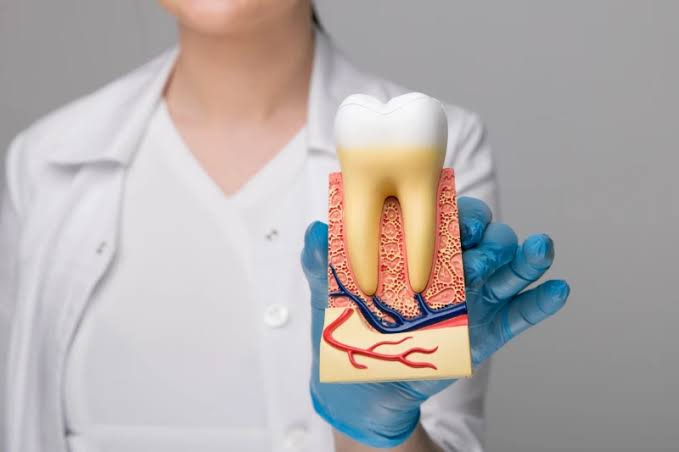
An inlay is designed to restore a damaged portion of a tooth. If it becomes loose, we don't want to look only at whether the restoration still fits. We also need to check the tooth itself.
There could be decay around the restoration. The tooth may have developed a crack. The fit may have changed. Or the restoration itself may no longer be suitable for the condition of the tooth.
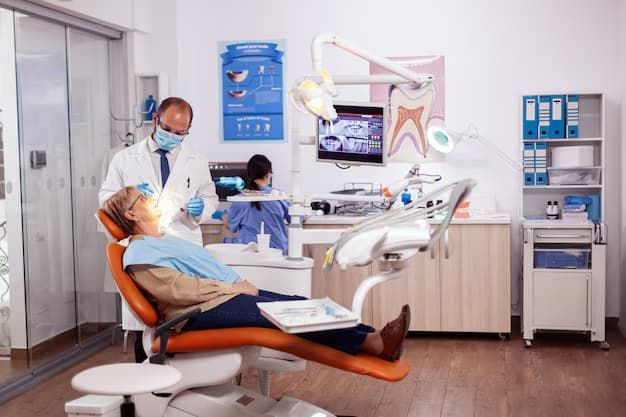
Depending on what we find, we may examine the area closely and use dental imaging when appropriate. The purpose isn't to add unnecessary treatment. It's to identify the reason the restoration changed so the next step addresses the actual problem.
Can a Loose Inlay Simply Be Put Back?
Sometimes a restoration may still be usable. Sometimes it won't be. That decision shouldn't be made before examining the tooth.
If the inlay remains intact and the tooth is suitable, your dentist can determine whether it can be reused. If the restoration is damaged or the tooth has changed, another restoration may be needed.
This is also why household glue isn't an appropriate solution. Even if an inlay appears to fit back into place, that doesn't mean the tooth has been properly sealed or protected. We want the restoration to do its job, not simply stay in the opening.
Don't Wait for Severe Pain
One of the more misleading things about dental problems is that they don't always become painful straight away. A patient may notice movement or sensitivity without having significant pain. Waiting for the discomfort to become severe can allow a relatively manageable issue to become more complicated. If an old inlay suddenly feels different, let us know.
At Distinctive Dental Service, we would rather examine a restoration that has changed and find that everything is manageable than have a patient wait because the tooth doesn't hurt enough to seem urgent.
How Can You Reduce Problems With Existing Inlays?
An inlay still depends on the health of the tooth around it. Daily brushing and flossing help control plaque around the restoration. Routine dental visits also give us an opportunity to look for changes that aren't obvious at home.
Your habits matter, too. Repeatedly chewing very hard foods or using your teeth for things they weren't meant to handle can place unnecessary stress on restorations. None of this means an inlay will last forever. It means that the condition of the restoration and the tooth should be watched over time.
When a Small Change Deserves Attention
You don't need to panic every time a restoration feels slightly different. But you also shouldn't ignore a change that persists. A loose edge, movement, sensitivity, a changed bite, or an inlay that has come out all give you a reason to contact your dentist.
The goal is straightforward: find out why the change happened and decide what the tooth needs now. If you're looking for dental inlay Westport care after noticing a problem, we're here to examine the restoration, assess the tooth underneath it, and explain the available next steps.
Bottom Line
A loose or damaged dental inlay doesn't automatically mean the tooth has suffered major damage. But it does mean the area deserves an examination. Keep any restoration that has come out, avoid trying to permanently reattach it yourself, and arrange a dental evaluation.
At
Distinctive Dental Service, we focus on understanding why a restoration has changed rather than treating the visible problem in isolation. That gives us a clearer basis for deciding whether the existing inlay can remain, needs repair, or should be replaced.