What Does Getting a Dental Implant Really Feel Like From Start to Recovery?
A dental implant procedure is usually more comfortable than many people expect. During treatment, local anesthesia prevents pain, so most patients feel only pressure or vibration. Afterward, mild soreness and swelling are normal for a few days and improve with proper care, medication, and following post-treatment instructions from your dentist.
Many patients asking "Are dental implants painful?" discover that discomfort is temporary and manageable. Most return to normal daily activities within a day or two, while complete healing continues over several months as the implant naturally bonds with the jawbone, creating a stable foundation for the final restoration.
What Does Getting a Dental Implant Really Feel Like?
Most people describe getting a dental implant as feeling easier than expected. If you're wondering, "Are dental implants painful?", the procedure itself is typically comfortable because local anesthesia prevents pain during treatment.
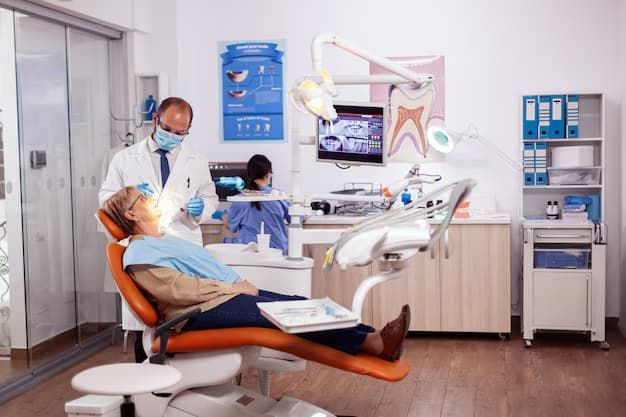
Patients usually feel gentle pressure, vibration, or movement while the implant is placed into the jawbone, but sharp pain is uncommon. After the numbness wears off, mild soreness is expected for a few days, similar to the discomfort after a tooth extraction. At Distinctive Dental Service, every treatment is carefully planned to make the experience as comfortable as possible while prioritizing patient safety and long-term results.
What Helps Reduce Pain and Swelling After a Dental Implant?
Simple home care plays an important role in making recovery comfortable. Patients who follow post-treatment instructions usually experience smoother healing with fewer complications.
Helpful recovery tips include:
- Apply a cold compress during the first 24 hours.
- Take medications exactly as directed.
- Eat soft foods for several days.
- Avoid smoking and alcohol during healing.
- Brush gently while keeping the surgical area clean.
- Get enough rest during the first couple of days.
When patients ask, "Are dental implants painful?", they should also understand that following these steps significantly reduces discomfort and supports faster healing.
When Is Pain After a Dental Implant Not Normal?
Mild soreness is expected, but severe or worsening pain several days after surgery should be evaluated by a dentist. Persistent swelling, excessive bleeding, fever, or unusual discharge may indicate complications that require prompt attention.
Most implant procedures heal without problems when performed by experienced professionals and supported by good oral hygiene. Early evaluation helps prevent minor concerns from becoming larger issues. Our team encourages patients to report unexpected symptoms rather than waiting for them to worsen.
How Soon Can You Return to Normal Life After a Dental Implant?
Most people can resume normal daily activities within one to two days after a dental implant procedure. Mild swelling or soreness may last for several days, but following your dentist's aftercare instructions helps support a comfortable recovery and promotes proper healing.
Although recovery is relatively quick, complete healing beneath the gums takes several months as the implant fuses with the jawbone. If you're wondering "Are dental implants painful?", most patients report that temporary soreness is manageable with medication, soft foods, and good oral hygiene throughout the healing process.
What Makes Dental Implant Recovery Easier and More Comfortable?
A smooth recovery depends on following aftercare instructions, maintaining good oral hygiene, and avoiding habits that interfere with healing. Cold compresses, prescribed medications, and eating soft foods during the first few days help minimize discomfort and reduce swelling effectively.
Patients often ask, "Are dental implants painful?" because they worry about recovery. In reality, discomfort is usually temporary and improves steadily within the first week. Regular follow-up visits also allow the dentist to monitor healing and ensure the implant integrates successfully with the jawbone.
Who Is a Good Candidate for Comfortable Dental Implant Treatment?
Healthy adults with sufficient jawbone and healthy gums are generally good candidates for dental implants. A thorough examination determines whether additional procedures, such as bone grafting, may improve long-term success.
Medical history, smoking habits, oral health, and bone quality all influence healing. Patients who maintain good oral hygiene and attend regular dental visits often experience predictable recovery with excellent long-term outcomes. For individuals still asking, "Are dental implants painful?", understanding that careful planning greatly improves comfort can provide valuable reassurance.
Frequently Asked Questions
Are dental implants painful? after the anesthesia wears off?
Most patients experience mild soreness rather than severe pain once the numbness fades. The discomfort is usually manageable with recommended medication, cold compresses, and rest. After treatment is typically a short-term concern that improves steadily within the first week.
Can I eat normally after getting a dental implant?
Soft foods are recommended during the first few days to avoid placing pressure on the surgical site. As healing progresses, most patients gradually return to their normal diet according to their dentist's instructions and comfort level.
Can dental implant pain be prevented?
Good treatment planning, experienced surgical care, and proper aftercare greatly reduce discomfort. We recommend following all post-operative instructions, taking medications as prescribed, and attending scheduled follow-up visits to support healing and minimize complications.
Should I be worried if I still have discomfort after one week?
Mild tenderness may still be present after one week, but worsening pain or increasing swelling should be evaluated promptly. We encourage patients to contact the dental office if symptoms become more severe instead of gradually improving.
Conclusion
For most patients, the answer to "Are dental implants painful?" is reassuring. The procedure is performed with effective anesthesia, making treatment comfortable, while recovery usually involves only temporary soreness that improves within a few days.
At Distinctive Dental Service, patient comfort remains a priority from consultation through recovery. By following professional aftercare instructions and maintaining good oral hygiene, our patients can heal confidently and enjoy the long-term benefits of a strong, natural-looking smile.