Can Slight Teeth Gaps Get Worse With Age Without Orthodontic Treatment?
Small spaces between teeth often seem harmless at first. Many people notice them in childhood or early adulthood and assume they will stay the same over time. The truth is that tooth spacing is not always stable. Even minor gaps can slowly change as the years pass, sometimes becoming more noticeable or leading to other dental concerns.
An orthodontist in Ridgefield, CT often meets patients who are surprised by how much their teeth have shifted over time. What begins as a small gap can gradually widen due to natural aging, bite forces, or changes in gum and bone support. Because these changes happen slowly, they are easy to overlook until they become more obvious.
At Distinctive Dental Service, we often remind patients that even small alignment issues deserve attention. When evaluated early, they are usually easier to manage and more predictable to correct.
Why Small Teeth Gaps Should Not Be Ignored
Small gaps are not only a cosmetic concern. They can affect how teeth function together and how the mouth stays clean over time.
Impact on Oral Health and Hygiene
Even minor spacing can create areas where food particles get trapped more easily. This can increase plaque buildup and raise the risk of gum irritation or decay if not cleaned properly.
An orthodontist in Ridgefield, CT, may explain that these small spaces can become problem areas over time if they are not monitored. Proper alignment helps maintain easier cleaning and healthier gums.
Effect on Bite Function
When teeth do not touch evenly, pressure can become uneven during chewing. Over time, this imbalance may contribute to wear on certain teeth more than others.
How Teeth Gaps Can Change With Age
Tooth movement is a natural process that continues throughout life. Even after adulthood, teeth are still influenced by pressure, bone structure, and surrounding tissues.
Natural Shifts in Tooth Position
As we age, bone density can gradually decrease, and gum support may weaken slightly. These changes allow teeth to shift more easily than they did in younger years.
An orthodontist in Ridgefield, CT, often observes that even patients who had small gaps in childhood may see those gaps widen slowly over time.
Influence of Daily Habits
Certain habits can speed up tooth movement, including:
- Teeth grinding or clenching
- Nail biting
- Tongue pressure against teeth
- Missing teeth not replaced
We often evaluate these contributing factors because they can significantly affect long-term alignment.
What Happens If Small Gaps Are Left Untreated
Ignoring small spacing issues does not always cause immediate problems, but changes can develop gradually.
Gradual Worsening of Spacing
Small gaps may slowly become wider if the underlying cause is not addressed. This can lead to visible changes in smile appearance and bite alignment over time.
An orthodontist in Ridgefield, CT, can track these changes and help prevent further shifting with early intervention.
Possible Bite Imbalance
As spacing changes, the way upper and lower teeth meet can also shift. This may lead to uneven pressure, which can contribute to wear or discomfort in some cases.
Treatment Options for Teeth Gaps
Modern orthodontic care offers several effective solutions depending on the severity and cause of spacing.
Clear Aligners and Braces
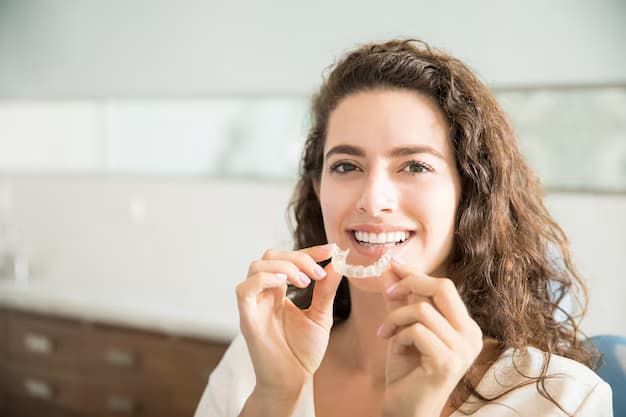
Clear aligners and traditional braces are commonly used to gently move teeth into better alignment. Both options are designed to close gaps and improve bite balance.
An orthodontist in Ridgefield, CT, will usually recommend a treatment plan based on age, dental condition, and lifestyle preferences.
Minor Cosmetic Corrections
In some cases, small gaps may be treated with limited orthodontic adjustments or cosmetic dental procedures, depending on the patient’s needs.
At Distinctive Dental Service, we focus on creating treatment plans that are practical, comfortable, and tailored to long-term stability.
When You Should See an Orthodontist
It is not always easy to know when a small gap needs attention. However, certain signs should not be ignored.
Warning Signs to Watch For
You should consider an evaluation if you notice:
- Gaps are becoming wider over time
- Food is getting stuck more frequently
- Changes in bite or chewing comfort
- Teeth shifting position
An orthodontist in Ridgefield, CT, can assess these changes early and recommend preventive care if needed.
Importance of Early Evaluation
Early assessment often leads to simpler treatment. Small issues are generally easier to correct before they develop into more noticeable alignment problems.
We always encourage patients to take early evaluations seriously, even if symptoms seem minor.
Long-Term Importance of Orthodontic Care
Orthodontic treatment is not just about improving appearance. It also supports long-term oral health and function.
Maintaining proper alignment helps reduce uneven wear, improves cleaning efficiency, and supports better bite stability. Over time, these benefits contribute to healthier teeth and gums.
We believe that preventive care is just as important as corrective treatment. Many patients who consult an orthodontist in Ridgefield, CT, early can avoid more complex dental issues later in life.
Conclusion
Small tooth gaps may look stable at first, but they are not always fixed in place. Over time, natural aging, everyday habits, and bite pressure can slowly influence how teeth shift. Without proper monitoring or timely orthodontic care, these gaps may gradually widen and contribute to further alignment issues or bite imbalance.
Early evaluation helps identify changes before they progress and allows for simpler, more effective treatment options. Understanding these natural shifts empowers patients to make informed decisions and maintain healthier, more stable long-term oral health and confident smiles.