Why Do My Teeth Look Straighter in Photos but Not in the Mirror?
When you look at your smile in the mirror, everything feels familiar. But then a photo shows up, and suddenly your teeth look more aligned, more symmetrical, or sometimes even the opposite. This difference can feel confusing, especially if you’ve ever searched for a dentist in Stamford, CT, to understand changes in your smile.
At Distinctive Dental Service, we often hear this concern from patients who feel their reflection doesn’t match their photos. The truth is, both views are technically “correct,” but they show your teeth in very different ways.
The Mirror vs. Photo Effect
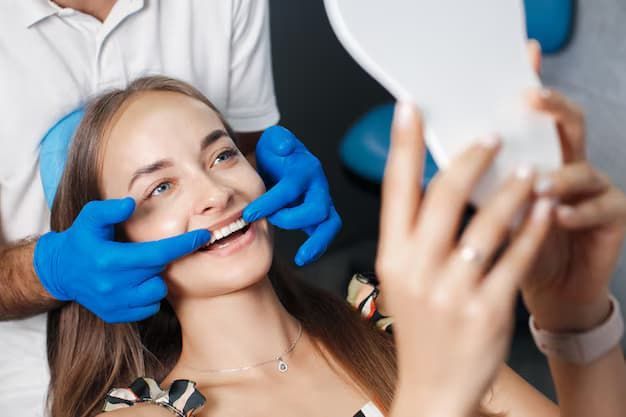
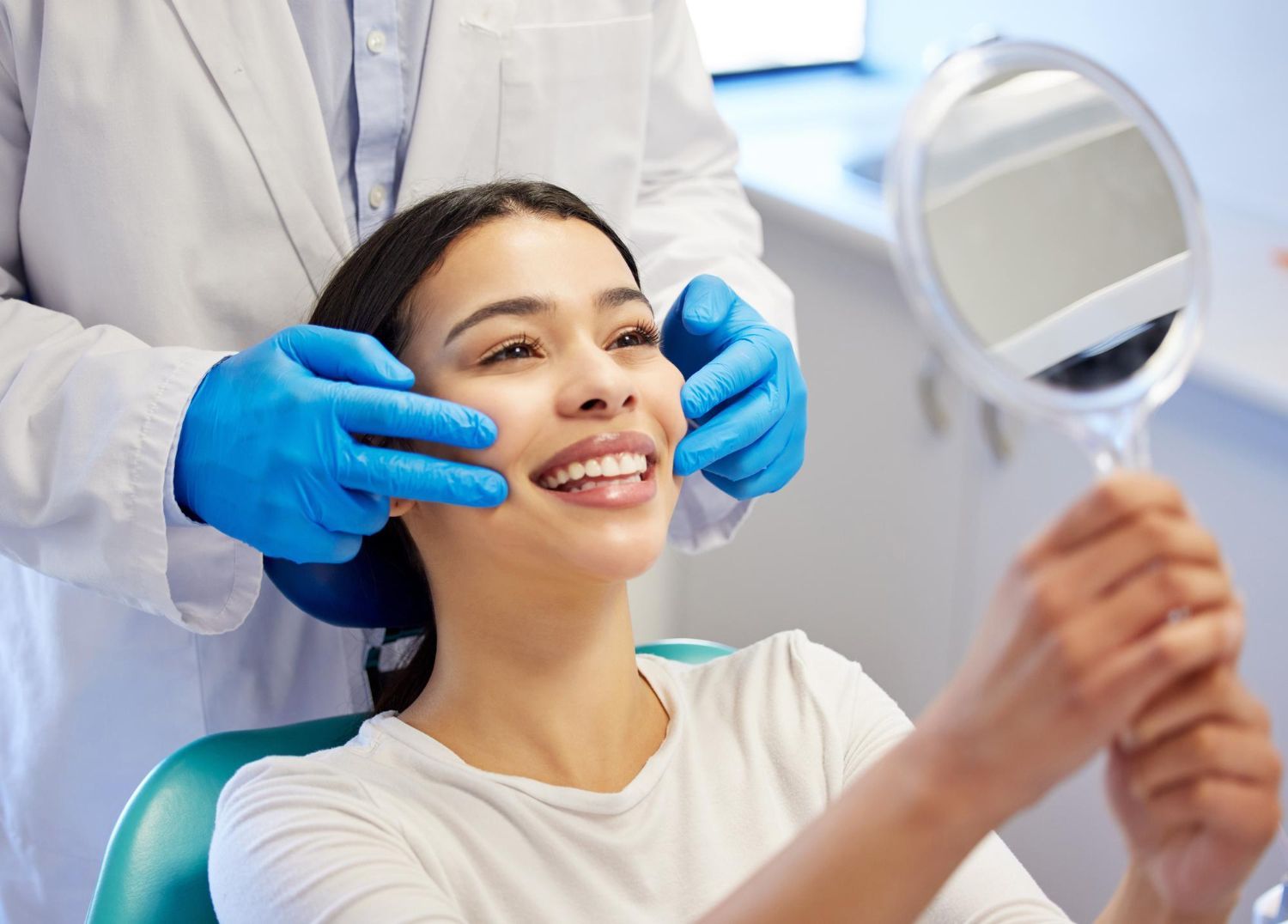
The mirror shows a flipped version of your face. You’re used to seeing that reversed image every day, so your brain accepts it as normal. A camera, however, captures your face as others see it.
This is where perception gets tricky. Even small differences in tooth angle or spacing can look more noticeable when viewed from a non-mirrored angle. When patients visit a dentist in Stamford, CT, they’re often surprised to learn that what they dislike in photos is sometimes barely noticeable in person.
Lighting also plays a big role. Mirrors usually reflect consistent indoor lighting, while photos can exaggerate shadows or highlight uneven reflections on teeth.
Lighting Can Change Everything
Lighting can significantly change how your teeth appear in photos and even in the mirror. Small changes in brightness or angle can easily create visual differences that feel noticeable.
- Overhead lighting creates shadows that can make teeth look uneven or spaced.
- Natural sunlight softens contrast and often makes teeth appear more balanced.
- A dentist in Stamford, CT, often explains that perception changes with lighting, not structure.
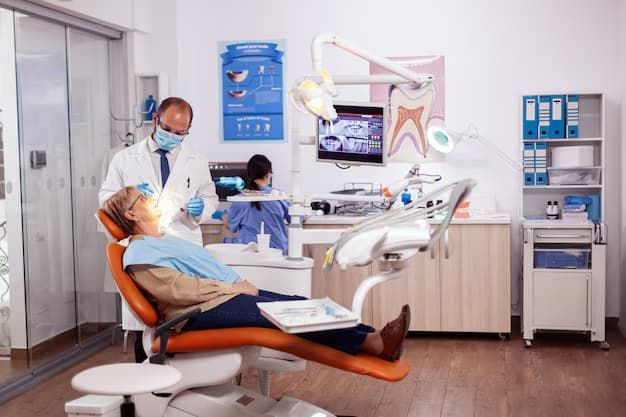
- Controlled clinical lighting removes distortions for accurate dental evaluation.
What you see in selfies is often a lighting effect, not a real change in alignment. Understanding this helps reduce unnecessary worry about your smile.
Camera Angles and Lens Distortion
Phone cameras, especially wide-angle lenses, can slightly distort facial features. If the camera is too close to your face, your nose, lips, and teeth can appear uneven.
A dentist in Stamford, CT, sees this often in patients bringing selfies as “proof” of alignment issues. In reality, lens distortion can make one side of the mouth look different from the other.
Even professional photographers adjust distance and angle to reduce these effects. That’s why portrait photos often look more natural than casual selfies.
Facial Symmetry and Natural Variation
No human face is perfectly symmetrical. One side of your jaw may sit slightly higher, or one tooth may tilt a bit differently than its neighbor. These small variations are completely normal.
When you rely on mirrors, your brain adjusts to your own symmetry. But photos freeze a single moment, revealing details you don’t normally focus on.
A dentist in Stamford, CT, evaluates these differences in a clinical way, not just visually. Minor asymmetry is usually harmless and does not require treatment unless it affects bite function or comfort.
Why Teeth Look “Straighter” in Some Photos
Teeth can sometimes appear straighter in photos than in the mirror due to natural differences in how a smile is captured. Small changes in posture, angle, or expression can influence the final look.
- Head tilt can subtly improve or distort perceived alignment
- Camera height changes how teeth and jawline appear
- Relaxed smiles often look more natural than posed mirror smiles
- A dentist in Stamford, CT, may use digital imaging for accurate assessment
We help patients understand these visual differences clearly. This reduces confusion and builds confidence in their real smile.
When You Should Actually Be Concerned
It’s normal to notice small differences between mirrors and photos. But if you consistently feel your teeth are shifting or becoming crowded, it may be worth getting a professional opinion.
At Distinctive Dental Service, we encourage patients to focus on function first, chewing comfort, bite alignment, and gum health matter more than how teeth appear in a selfie.
If you ever feel unsure, a dentist in Stamford, CT, can evaluate whether what you’re seeing is cosmetic perception or an actual dental change.
What Can Be Done if Alignment Really Is an Issue
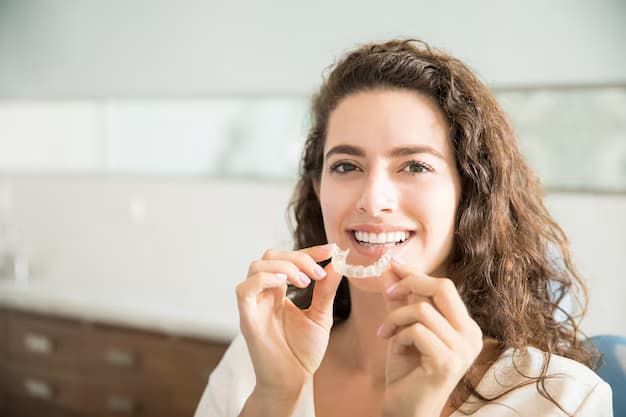
If a true alignment issue exists, there are several modern solutions available today. These include clear aligners, minor reshaping, and cosmetic bonding, depending on the case.
A dentist in Stamford, CT, will usually start with a full exam and digital scan to determine whether treatment is necessary or if reassurance is enough. Many patients discover they don’t actually need corrective work once they see the objective imaging.
We focus on conservative care first, meaning we only recommend treatment when it truly benefits oral health or function.
The Role of Professional Dental Evaluation
Self-perception is not always reliable when it comes to teeth. Mirrors, selfies, and phone cameras all introduce distortion in different ways.
A dentist in Stamford, CT, uses clinical tools, measurements, and experience to evaluate alignment accurately. This removes emotional bias and helps patients understand what is real versus what is a visual illusion.
We take time to compare digital scans with patient concerns so you can clearly see what’s happening with your smile.
Conclusion
The way your teeth look in mirrors versus photos is influenced by lighting, angles, facial symmetry, and camera distortion, not just actual dental alignment. Most of the time, the difference is visual, not structural.
We believe understanding your smile should feel simple and stress-free. We help patients separate perception from reality so they can feel confident about their oral health. At Distinctive Dental Service, our goal is to provide clarity through careful examination and honest guidance.
If you’re still unsure about what you’re seeing, a dentist in Stamford, CT, can give you a clear, professional answer based on real diagnostics, not camera tricks or mirror effects.