Will AI Reduce Failed Cosmetic Dentistry Results in the Future?
Cosmetic dentistry is becoming more precise, but mistakes can still happen when expectations, planning, or execution don’t fully align. Many patients searching for Ridgefield cosmetic dentistry want results that look natural, last long, and match their facial features.
Artificial intelligence is now stepping into this space, helping dentists reduce errors and improve predictability. While human skill remains essential, AI tools are changing how smile design is planned and delivered. We believe technology should support clinical judgment, not replace it. The future may hold fewer failed outcomes, but only when experience and AI work together effectively.
The Challenge of Cosmetic Dentistry Accuracy
Cosmetic dentistry outcomes depend on precision, planning, and clear expectations between the patient and the dentist. Even small variations can influence the final smile design and comfort.
- Tooth shape, alignment, or shade changes can significantly affect results
- Patients seeking Ridgefield cosmetic dentistry often expect ideal outcomes that may not always match biological limits
- Bite structure and facial balance play a major role in the final appearance
- Miscommunication can lead to dissatisfaction or perceived treatment failure
- Careful planning and communication reduce the risk of mismatched results
At Distinctive Dental Service, we use structured planning and AI-supported tools to improve accuracy. This helps bridge the gap between expectation and reality for more predictable outcomes.
How AI Improves Smile Design Planning
AI is transforming the way dentists design smiles. Instead of relying only on manual measurements and experience, digital systems can analyze facial symmetry, tooth proportions, and bite alignment. This helps create more balanced and natural-looking results. For Ridgefield cosmetic dentistry, this means treatment plans are becoming more data-driven and consistent.
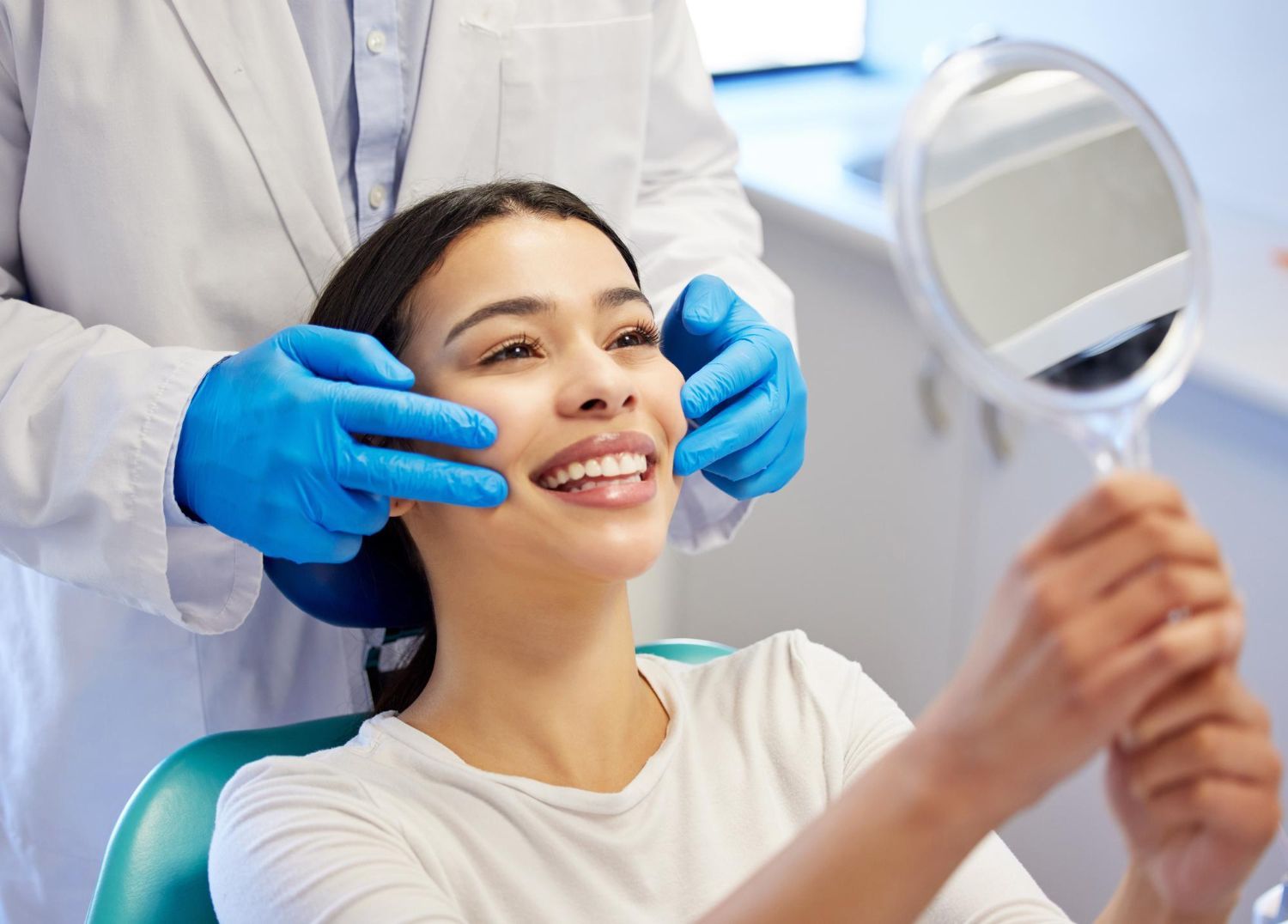
AI can also simulate multiple smile options so patients can preview outcomes before committing. We use advanced planning tools to reduce guesswork and improve precision. This combination of human expertise and technology allows for better treatment decisions and fewer unexpected results after procedures are completed.
Reducing Errors with Digital Scanning Technology
Digital scanning technology has transformed how dentists evaluate and plan cosmetic treatments. It provides highly accurate digital impressions that improve diagnosis and treatment outcomes.
- 3D scans replace traditional messy dental impressions with precise digital models
- Helps detect bite issues, spacing problems, and alignment concerns early
- Improves accuracy in Ridgefield cosmetic dentistry procedures and restorations
- AI analysis suggests corrections before treatment begins
- Reduces risk of misfit crowns, veneers, or unnatural smile outcomes
We use digital scanning to enhance precision and minimize errors. This leads to more predictable, stable, and natural-looking cosmetic results over time.
Managing Patient Expectations More Effectively
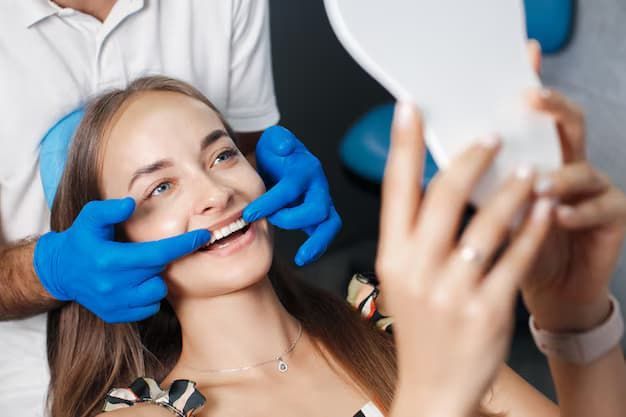
One major reason cosmetic dentistry results fail is mismatched expectations. Patients may imagine a perfect Hollywood smile, while real dental limitations require compromise. AI helps bridge this gap by offering realistic visual previews of possible outcomes. For Ridgefield cosmetic dentistry, this is a major improvement in patient communication. Instead of guessing, patients can see how small changes affect their smile.
We emphasize clear conversations supported by digital simulations. This helps patients make informed decisions and reduces disappointment after treatment. When expectations are aligned early, satisfaction levels naturally improve, and results feel more predictable and trustworthy.
Improving Precision in Cosmetic Procedures
Precision plays a critical role in cosmetic dental procedures where even minor deviations can impact aesthetics and function. AI tools are now helping dentists maintain higher accuracy during treatment.
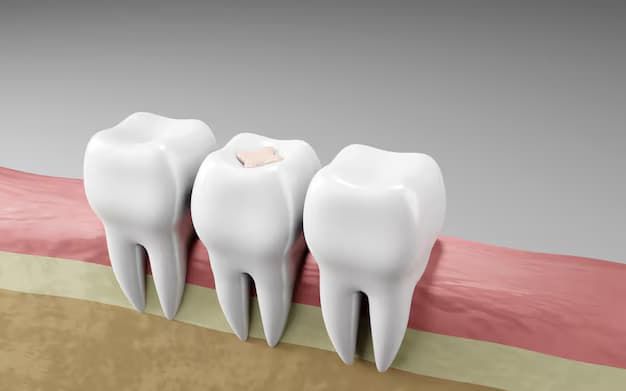
- Small errors in veneers or bonding can affect overall smile symmetry
- AI provides real-time measurement and alignment support during procedures
- Improves consistency and reduces human error in Ridgefield cosmetic dentistry
- Enhances control during shaping, placement, and finishing stages
- Leads to fewer post-treatment adjustments and refinements
We combine clinical experience with AI assistance to improve precision. This results in more reliable outcomes and higher patient satisfaction over time.
Predicting Long-Term Cosmetic Outcomes
Cosmetic dentistry is not just about appearance on day one; it is also about how results hold up over time. AI can analyze bite forces, wear patterns, and material durability to predict long-term success. This is especially valuable for Ridgefield cosmetic dentistry, where patients want lasting improvements.
AI models can suggest better materials or designs that reduce chipping, discoloration, or misalignment in the future. We consider both aesthetics and longevity when planning treatments. By predicting outcomes more accurately, dentists can make smarter decisions that reduce the risk of future failure or costly corrections.
Limitations of AI in Cosmetic Dentistry
While AI is powerful, it cannot replace human judgment or artistic skill. Cosmetic dentistry still requires understanding facial emotion, personality, and subtle aesthetic preferences that machines cannot fully interpret. In Ridgefield cosmetic dentistry, this human touch remains essential for achieving natural results. AI can guide decisions, but it cannot fully understand what “beautiful” means for each individual.
We use technology as support, not control. Dentists still make final decisions based on experience and patient interaction. This balance ensures treatments remain both scientifically accurate and emotionally satisfying for patients seeking smile transformations.
The Future of AI in Cosmetic Dentistry
The future of cosmetic dentistry will likely combine advanced AI systems with experienced clinical care. As technology improves, treatment planning will become faster, more accurate, and more personalized. For Ridgefield cosmetic dentistry, this means fewer failed outcomes and more predictable results. Patients may soon experience real-time smile simulations, smarter material selection, and improved long-term forecasting.
At Distinctive Dental Service, we continue to adopt tools that enhance care without losing the human connection. AI will not replace dentists, but it will make their work more precise and reliable. The result will be safer, more natural, and more satisfying smile transformations.
Conclusion
AI is changing cosmetic dentistry by improving accuracy, communication, and treatment planning. While it cannot eliminate all risks, it significantly reduces the chances of failed results when used correctly. Patients seeking Ridgefield cosmetic dentistry can expect more predictable and natural outcomes as technology advances. The best results will still come from a combination of skilled dentists and intelligent systems working together.
At Distinctive Dental Service, we believe this partnership represents the future of cosmetic care, where science and artistry come together to create confident, lasting smiles.